Safe Brick Wall Reconstruction After Severe Weather Events
The Blue Mountains region of New South Wales is known for dramatic escarpments, dense bushland and highly variable weather. Residents and property managers in Katoomba, Leura, Springwood, Blackheath and surrounding towns deal with intense storms, heavy rainfall, damaging winds, hail, bushfire exposure and freeze-thaw cycles during winter. Each of these events can compromise brick walls, from garden boundary walls to structural facades on homes and commercial buildings. This guide explains how to assess storm damage, make the site safe, and approach brick wall reconstruction in a way that restores strength, durability and weather resistance.
How Severe Weather Affects Brick Walls in the Blue Mountains
Brick is a durable material, but it is vulnerable to specific stresses. Understanding how damage occurs helps you identify problems early and choose the right repair method.
Water Penetration and Saturation
Prolonged rain and wind-driven moisture can saturate bricks and mortar. Once water enters through cracked joints or damaged flashing, it can travel behind the facade, weaken the mortar bed and cause efflorescence (white salt deposits). In cooler elevations of the Blue Mountains, trapped water that freezes and expands can lead to spalling, where the brick face flakes or breaks away. This is a common driver of brick deterioration repair work.
Wind Loading and Falling Debris
Strong gusts and falling tree limbs, a particular concern in heavily wooded areas, can push against freestanding walls, crack masonry or dislodge sections entirely. Boundary walls and retaining walls without adequate footings or reinforcement are especially at risk.
Ground Movement and Erosion
Intense rain on sloping blocks can undermine foundations through soil washout. This leads to settlement, stepped cracking and leaning walls. Effective brick erosion control at the base of a wall, including drainage and soil stabilisation, is just as important as the masonry repair itself.
Heat, Fire and Thermal Stress
Bushfire radiant heat and rapid temperature swings can crack bricks and degrade mortar. Walls near fire-affected areas should be inspected for hairline cracking, discolouration and loose joints before any repair begins.
Immediate Safety Steps After a Storm
Safety comes before repair. A damaged wall can fail without warning, particularly after additional rain or wind.
- Keep people and pets clear. Cordon off the area around any leaning, bulging or cracked wall, including the potential fall zone, which is typically at least the wall's height in all directions.
- Check for hazards. Look for downed power lines, gas line damage, broken water mains and unstable trees. Contact the relevant authority or emergency services if utilities are affected.
- Document the damage. Take dated photographs and notes for insurance purposes before any clean-up or temporary works.
- Install temporary protection. Use props, bracing or tarpaulins only where it is safe to do so, or have a qualified professional do it.
- Contact your insurer and a qualified builder or mason. Many policies require prompt notification and may specify how emergency works are handled.
- Arrange a structural assessment where a wall is leaning, has large diagonal cracks, or supports part of a building.
Assessing the Damage: Repair or Rebuild?
Not every damaged wall needs to be demolished. A professional assessment will determine whether localised repair is sufficient or whether full brick wall reconstruction is necessary.
Damage That Can Often Be Repaired
- Minor hairline cracks in mortar joints, addressed through brick joint repair or brick repointing services
- Isolated spalled or cracked bricks that can be cut out and replaced
- Eroded or sandy mortar needing brick mortar replacement or brick mortar restoration
- Failed control joints requiring brick expansion joint repair
- Surface damage to a facade that does not affect the structure, suited to brick facade repair
Damage That Usually Requires Reconstruction
Rebuilding is generally recommended when a wall is leaning beyond tolerance, when cracks run through both bricks and mortar in a stepped or diagonal pattern, when the foundation has settled or been undermined, when large sections have collapsed, or when wall ties have corroded or failed. In these cases, brick structural repair alone may not restore brick structural integrity reliably.
The Reconstruction Process Step by Step
1. Engineering Review and Approvals
Structural walls, retaining walls and taller boundary walls may require engineering input and council or certifier approval. In New South Wales, rebuilding work must comply with the National Construction Code and relevant Australian Standards, including AS 3700 for masonry structures. Properties in bushfire-prone parts of the Blue Mountains may also need to meet Bushfire Attack Level (BAL) requirements under AS 3959. Check with Blue Mountains City Council about whether exempt or complying development provisions apply, particularly for heritage-listed properties or those in conservation areas, which are common across the region.
2. Safe Demolition and Site Preparation
Unstable masonry should be dismantled in controlled sections from the top down. Salvageable bricks can often be cleaned and reused, which is especially valuable for matching older or heritage brickwork. Debris should be removed and the footing inspected. If the footing is cracked, undermined or too shallow, it must be rebuilt or reinforced before https://kamerondlqu081.fotosdefrases.com/comprehensive-drainage-solutions-for-steep-hillside-homes new brickwork starts.
3. Foundation and Drainage Correction
A wall is only as sound as its base. Reconstruction should include correctly sized footings, damp-proof courses where required, and drainage such as agricultural pipe, gravel backfill and weep holes for retaining structures. This stage is central to comprehensive drainage solutions and prevents the same water-related failure from recurring.
4. Material Selection
Choose bricks rated for the exposure conditions. In the Blue Mountains, where moisture and cold are significant factors, exposure-grade bricks and the correct mortar mix are essential. Mortar should be compatible with the brick: older soft bricks typically need a softer lime-based mortar, while modern bricks suit cement-based mixes. Using mortar that is too hard can cause bricks to crack and spall over time. Quality material choices contribute directly to brick durability enhancement.
5. Construction and Reinforcement
Skilled bricklayers will lay bricks in consistent courses with full mortar beds, install stainless steel or appropriately galvanised wall ties, and add reinforcement where engineered designs require it. Expansion and control joints must be placed at specified intervals to accommodate thermal movement and reduce future cracking.
6. Curing and Protection
New brickwork should be protected from rain, rapid drying and frost while it cures. In cooler months, this can mean covering fresh work overnight and avoiding construction during freezing conditions.
Weatherproofing and Long-Term Durability
Once reconstruction is complete, protective measures help the wall withstand the next severe weather event.
- Breathable sealers: Brick wall weatherproofing with a silane or siloxane-based water repellent reduces water absorption while allowing vapour to escape. Avoid film-forming sealers on older masonry, which can trap moisture.
- Capping and flashing: Proper copings, sills and flashings shed water away from the wall face and top.
- Drainage management: Keep soil levels below the damp-proof course and direct downpipes away from walls.
- Vegetation control: Remove climbing plants and manage tree roots near footings.
- Thermal performance: Where relevant, cavity construction or added insulation can improve brick thermal insulation performance, a worthwhile consideration given the Blue Mountains' cool winters.
Why Gutters, Roofing and Painting Matter for Brick Walls
Brickwork rarely fails in isolation. Water shed from the roof is one of the most common causes of wall damage, so a complete restoration plan looks at the whole building envelope.


Gutters and Drainage
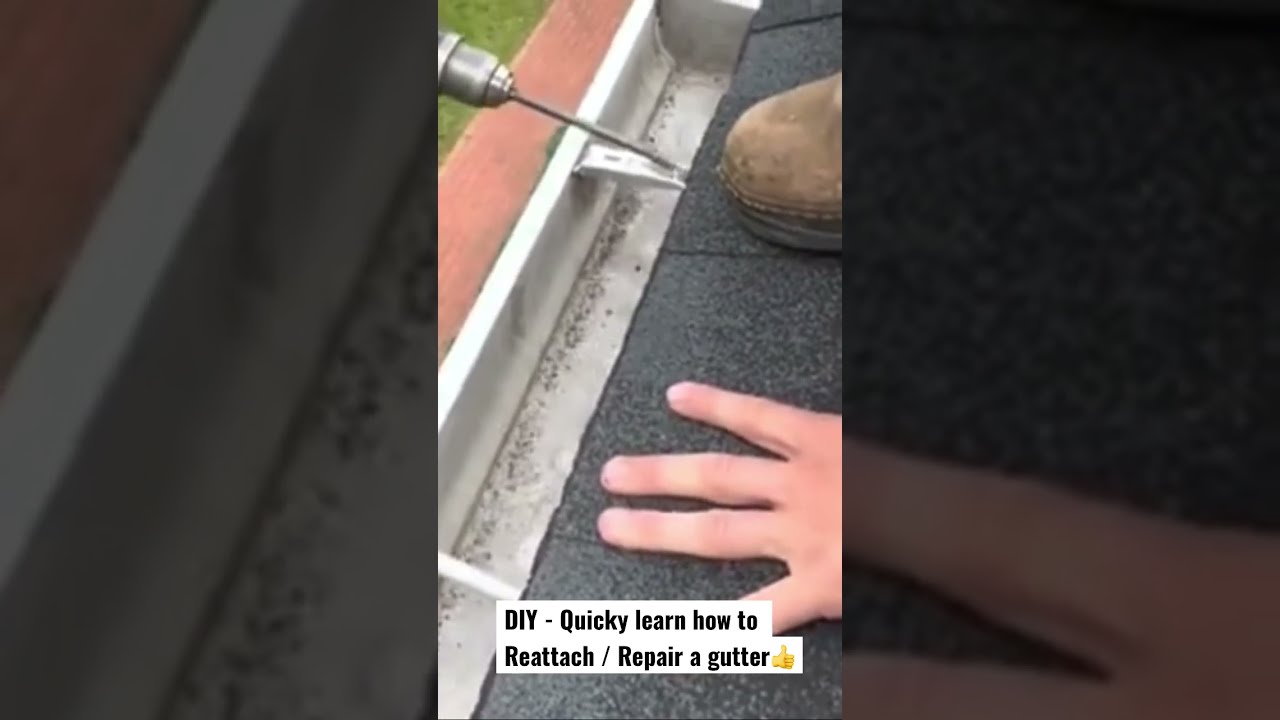
Overflowing or blocked gutters can saturate brick faces and foundations. Damaged gutter repair should be done alongside wall work. Depending on the property, this may involve aluminum gutter repair, copper gutter maintenance on heritage or premium homes, or advanced gutter solutions such as leaf guards, larger downpipes and improved fall to cope with heavy downpours and leaf litter from surrounding bushland. Owners of larger properties can also look to comprehensive gutter services and commercial gutter services for multi-building sites.
Roof Condition
Storms that damage walls often damage roofs too. Missing tiles, lifted flashings or failed valleys can send concentrated water onto brickwork. Depending on the extent of the damage, options include advanced roof repair, asphalt shingle replacement, cedar shake replacement on traditional or heritage-style homes, or complete roofing replacement. Many owners benefit from comprehensive roof maintenance and comprehensive roof repair after a major event, and in serious cases comprehensive roof replacement or comprehensive roof reroofing. Working with certified roof repair and certified roof reroofing professionals helps ensure compliance and warranty protection. Commercial properties may require commercial roofing, commercial roof repair or tailored commercial roof solutions, while new builds or major rebuilds may call for complete roof installation as part of comprehensive roofing services.
Attic and Roof Ventilation
Poor ventilation traps moisture and heat, contributing to condensation that can affect masonry, timber and insulation. Attic ventilation installation and attic ventilation repair help balance airflow, while advanced ventilation techniques and customized roof ventilation can be matched to roof design. Comprehensive roof venting supports attic heat reduction in summer and moisture control in winter, and practical attic cooling methods can lower energy costs during hot spells.
Painting and Sealing
Where brickwork is painted or rendered, or where adjoining surfaces need protection, advanced painting techniques and breathable coatings add another weather barrier. Homeowners can choose complete painting sealing or comprehensive painting sealing packages, while larger buildings may benefit from commercial painting sealing. A broader approach to comprehensive sealing solutions around windows, joints and penetrations helps keep moisture out.
Ongoing Brick Wall Maintenance
Regular inspection is the most cost-effective way to extend a wall's life. Good brick wall maintenance in the Blue Mountains includes:
- Inspecting walls twice a year and after every major storm for new cracks, loose bricks or damp patches
- Cleaning gutters and downpipes before the wetter months and ahead of the bushfire season
- Repointing joints once mortar becomes recessed, crumbly or cracked, typically after several decades, sooner in exposed locations
- Clearing vegetation and debris from the base of walls
- Addressing minor defects early, before water can penetrate and cause larger failures
Where multiple issues are present, comprehensive wall repair that coordinates masonry, drainage, roofing and sealing work is often more cost-effective than fixing problems one at a time.
Choosing a Qualified Contractor in the Blue Mountains
When selecting someone to carry out reconstruction, look for a licensed builder or bricklayer with experience in storm repair and local conditions. Ask for evidence of current licensing and insurance, written quotes that detail scope, materials and engineering requirements, and references from similar projects. For older or heritage-listed buildings, choose a contractor with specific experience in matching historic bricks, mortar and bonding patterns. Make sure the contractor will liaise with your insurer and, where needed, the council or private certifier.
Key Takeaways
Rebuilding a brick wall after a severe weather event involves far more than stacking new bricks. A safe, lasting result depends on prompt hazard control, a proper structural assessment, sound footings and drainage, compatible materials, and protective weatherproofing. By addressing the roof, gutters, ventilation and sealing at the same time, Blue Mountains property owners can protect their investment and improve resilience against future storms in 2026, 2027 and beyond.
Top Roofer Blue Mountains
Old Bathurst Rd, Blaxland NSW 2774, Australia
(02) 4703 9006
Ends · MANUELVBDK813